

World Gladiators Federation · Core Discipline
Gladiatorial Discipline
Honoring Ancient Traditions in the Modern Arena
The World Gladiators Federation preserves and promotes the spirit of the ancient arena through a modern discipline founded on honour, training, respect, and historical consciousness.
The art of gladiatorial combat is one of the most iconic and enduring traditions of ancient Rome. Rooted in the valour, strength, and discipline of warriors who fought for honour, survival, and the thrill of the crowd, gladiatorial combat is not merely a contest of strength.
It is a celebration of courage, skill, and strategy. Today, the World Gladiators Federation (WGF) honours this rich history by bringing gladiatorial combat into the modern world, combining ancient traditions with contemporary sporting values.
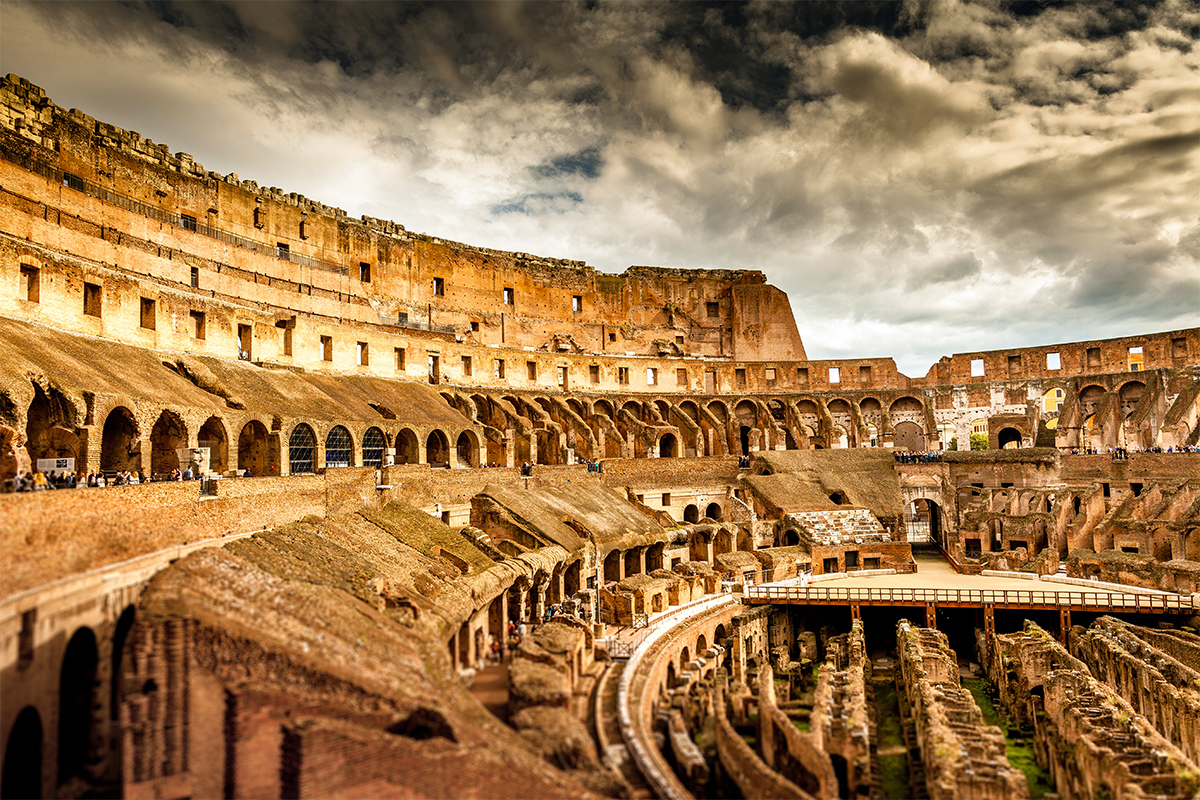
The discipline of modern gladiators is a comprehensive practice, emphasizing respect, training, and historical accuracy.
It is divided into distinct sectors—each one embodying a different aspect of the modern gladiatorial discipline— ranging from the technical and swift Gladiator Agilis, to the power-driven and full-contact Gladiator Fortis, the historically accurate and educational Gladiator Historicus, and Gladiator Defense, dedicated to personal safety through awareness, prevention, self-control, and practical defensive skills.
Each sector contributes to the preservation and development of gladiatorial culture in its own way, allowing athletes and practitioners to engage with the discipline according to their vocation, technical level, and field of interest.
Every category upholds the core values of the gladiatorial tradition: honour, discipline, and respect for the opponent. Through these categories, modern gladiators embrace the ancient spirit of the arena, ensuring that the past is not forgotten, but rather revived and celebrated through competition and performance.
The WGF provides a platform for athletes of all skill levels to engage in this noble discipline, fostering personal growth, community, and educational outreach.
The gladiatorial combat we practice today is not only about physical prowess but about building a deeper connection to the values and spirit of ancient warriors, ensuring that their legacy continues to inspire future generations.